Plan your Family Trip to
With ancient temples, elephant sanctuaries, river boat rides, and waterfall explorations Thailand is vibrant and enriching and turns culture and nature into unforgettable family fun.


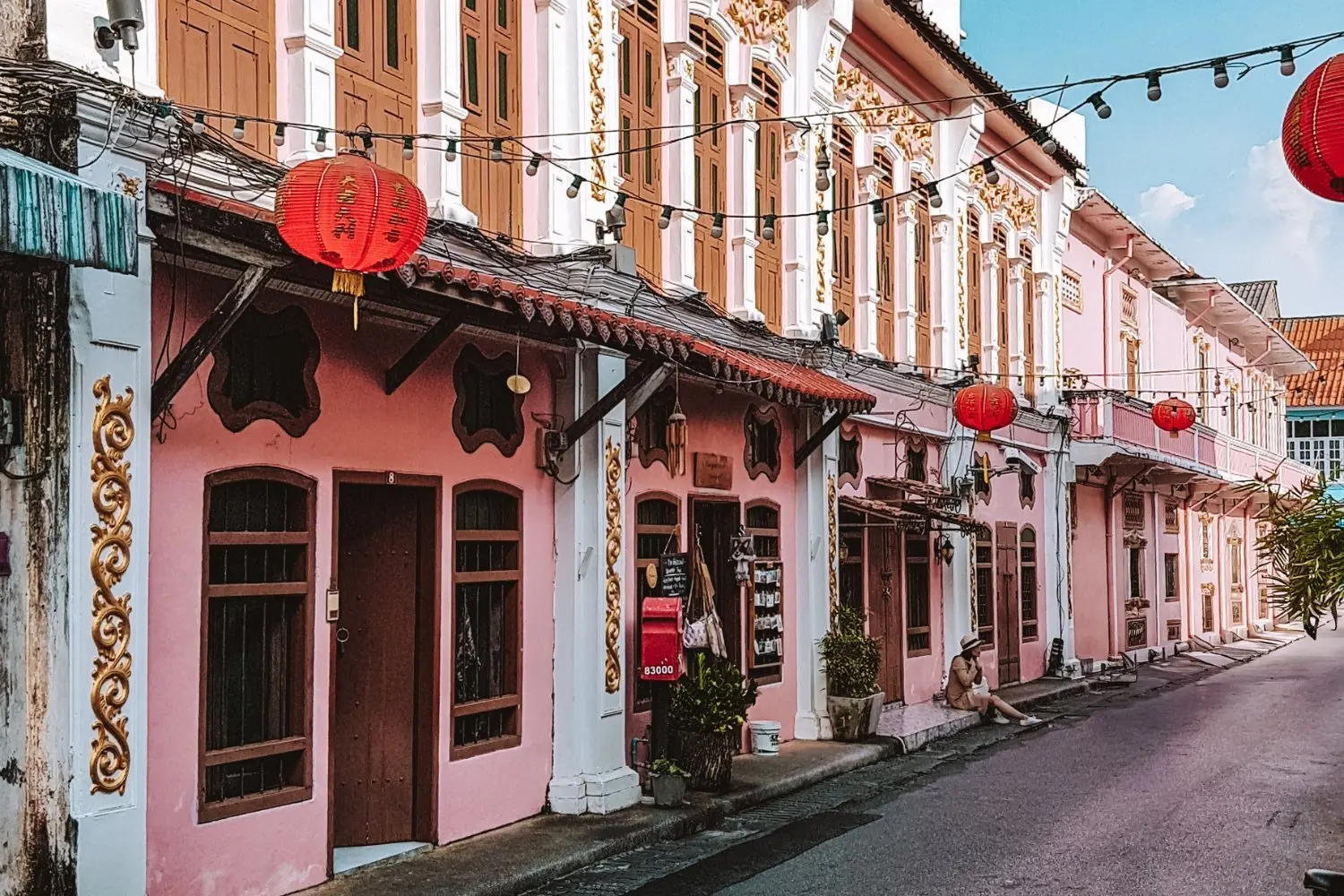


Plan your family trip to Thailand
Did you know that…
When you book your family trip through our links, you support us with no additional cost to you ?
Thank you for your support!


Visiting Thailand with Kids
Exploring Thailand with kids is one of the most exciting and rewarding family travel experiences in Asia.
With its tropical beaches, colourful temples, vibrant cities, warm hospitality, and incredible food, Thailand offers a beautiful mix of adventure, culture, and relaxation that works surprisingly well for families.
In fact, whether you’re traveling with babies, toddlers, school-age children, or teenagers, Thailand adapts easily to different travel styles.
Families especially love how welcoming Thai people are toward children, how affordable travel can be, and how simple it is to find family-friendly accommodation and delicious food almost everywhere.
How to Plan Your Family Trip to Thailand
Start by choosing one or two main regions rather than trying to see everything. Thailand is a large country, and internal travel can take time.
Many families combine Bangkok with a beach destination such as southern islands or coastal areas. Others prefer pairing the north, around Chiang Mai, with a slower beach stay. Domestic flights are frequent, affordable, and save a lot of travel time.
Accommodation options are excellent for families, ranging from hotels with family rooms and kids’ pools to serviced apartments and villas.
When planning your itinerary, avoid changing locations too often and leave space for rest. Thailand’s heat and sensory richness can be quite demanding for the whole family.
Best Time to Visit Thailand
Thailand is a year-round destination, but weather varies by region.
The cool and dry season (November to February) is generally the best time to visit Thailand with kids. Temperatures are more comfortable, humidity is lower, and conditions are ideal for sightseeing and beach time.
March to May can be very hot, which may be challenging for younger children, especially in cities, but we visited in April and it was amazing. It really depends on how you and your family manage the heat.
The rainy season (June to October) brings short but intense showers, usually in the afternoon. Travel is still very possible, particularly in early rainy season, and prices are often lower. Some islands are better avoided during peak monsoon months.
Also, North and South Thailand present different weather conditions that we shouldn’t overlook when planning your family trip.
Northern Thailand has a more pronounced “cool season” (especially in the mountains around Chiang Mai), with slightly lower temperatures and occasional haze from agricultural burning.
South Thailand, on the other hand, stays warm and humid year-round with less temperature variation.
However, the key difference is rainfall: the south experiences longer, heavier monsoon seasons (often on different coasts at different times), whereas the north has a clearer dry season and a more defined rainy period from roughly June to October.
Thailand’s south is split between two coasts: the Andaman Sea (west) and the Gulf of Thailand (east), and each is influenced by a different monsoon pattern.
- Andaman Coast (Phuket, Krabi, Koh Lanta):
Gets its main rainy season from May to October, when the southwest monsoon brings moisture from the Indian Ocean. This is when you’ll see frequent heavy showers and rough seas. - Gulf Coast (Koh Samui, Koh Phangan, Koh Tao):
Stays relatively drier during that same period, with its peak rains shifted later, usually October to December, due to the northeast monsoon coming across the Gulf.
The Different Regions of Thailand
Thailand’s diversity makes it easy to tailor a family trip to different interests:
- Bangkok – A dynamic capital with temples, river boats, markets, parks, and family-friendly museums. Best enjoyed with a relaxed pace.
- Northern Thailand – Includes Chiang Mai and surrounding regions, offering temples, mountains, traditional crafts, and a slower rhythm that works well with young kids.
- Southern Thailand (Islands & Coast) – Beautiful beaches, calm swimming spots, and relaxed island life. Ideal for downtime and family bonding.
- Central Thailand – Historic cities like Ayutthaya with ruins and river landscapes, often visited as short trips from Bangkok.
- Eastern Thailand – Less touristy coastal areas that offer beaches and easy logistics for families.
Traditional Dishes in Thailand
Thai cuisine is flavourful but very adaptable for children, especially if you choose mild versions.
Some dishes families usually enjoy include:
- Pad Thai – Stir-fried noodles that are usually a hit with kids.
- Fried rice (Khao Pad) – Simple, mild, and easy to find everywhere.
- Chicken skewers – Grilled and lightly seasoned.
- Spring rolls – Crispy and easy to share.
- Fresh fruit – Mango, pineapple, watermelon, dragon fruit, and bananas are widely available.
- Pancakes and roti – Common street snacks loved by children.
Most restaurants are happy to adjust spice levels, and food safety standards in family-oriented places are generally good.
Culture and Religion in Thailand
Thailand’s culture is deeply influenced by Buddhism, which shapes daily life, traditions, and values.
You’ll notice temples everywhere, monks in saffron robes, and a strong emphasis on kindness, calmness, and respect. These cultural elements are fascinating and very educational for children.
Thai people are extremely gentle and affectionate toward kids, and families are welcomed warmly. Teaching children a few simple local behaviours, like removing shoes before entering temples, helps create respectful and positive interactions.
Safety and Travel Advice in Thailand
Thailand is generally a safe destination for families, but a few practical considerations are important.
Natural Disasters
Natural risks vary by region:
- Heavy rain and flooding during the monsoon season
- Heatwaves during the hot season
- Occasional tropical storms affecting coastal areas
Staying informed locally and adjusting plans if needed is usually enough.
Health and General Safety
Violent crime is rare. The most common issues families encounter are:
- Dehydration or heat exhaustion
- Food-related stomach issues (choose reputable restaurants and avoid drinking tap water)
- Traffic-related risks, especially involving scooters
Families are best off avoiding scooters and using tuk-tuks, taxis, drivers, or hotel transport.
Traffic and Transportation in Thailand
Transportation is varied and flexible:
- Taxis, ride-hailing apps, and private drivers are affordable and convenient.
- Domestic flights save time over long distances.
- Trains can be fun but are slower.
- Walking with strollers can be challenging in some cities.
Planning shorter travel days makes a big difference with kids.
Cultural Sensitivity
A few key cultural points to keep in mind:
- Dress modestly when visiting temples (covered shoulders and knees).
- Remove shoes before entering temples and homes.
- Avoid touching people on the head.
- Public displays of anger are frowned upon.
Thai culture values politeness and calm behaviour, which children often adapt to surprisingly well.
Travel Insurance
Travel insurance is strongly recommended for families visiting Thailand. It should ideally cover:
- Medical care
- Emergency evacuation
- Trip cancellations
- Lost luggage
Private hospitals are excellent in major cities, but insurance ensures smooth access.
With thoughtful planning and a relaxed pace, Thailand is a fantastic destination to explore with kids offering cultural depth, beautiful landscapes, delicious food, and a warm, welcoming atmosphere that makes family travel feel both adventurous and easy.